
Skin Hyperpigmentation
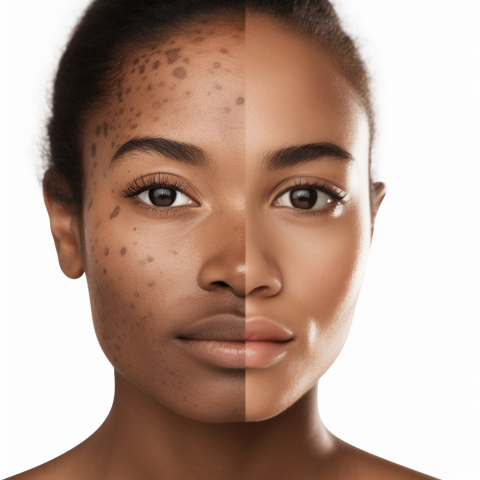
Skin hyperpigmentation is a common condition where patches of skin become darker than the surrounding skin. This conceptual example explores opportunities for developing new treatments and therapies. The starting point of any such endeavor should be a thorough causal understanding of the problem domain.
In this example, Hellixia is used to analyze causal relationships related to this skin condition. The workflow constructs a causal semantic network that includes factors such as genetic predisposition, environmental triggers, and lifestyle variables.
Workflow for Creating a Causal Semantic Network
Create a node named “Skin Hyperpigmentation with Visible Light.”
Use the following keywords to guide the Dimension Elicitor’s node analysis: Causes, Effects, Milestones, and Mechanisms, and set the General Context to “Dermatology.”
Inspect the dimensions suggested by Hellixia. Any dimensions that are irrelevant or redundant should be removed from the analysis.
Exclude the “Skin Hyperpigmentation with Visible Light” node.
Change the style of all nodes to “Badges”. This will display the comment within each node.
Given that the keywords “Causes” and “Effects” already embody causal semantics, manually scrutinize the relationships between the nodes generated by the keywords “Mechanisms” and “Milestones”. Generating embeddings and using structural learning can be beneficial during this analysis phase.
Manually draw arcs between the nodes to denote a causal relationship.
Select all arcs and use Hellixia’s Explanation of Causal Arcs.
If Hellixia concurs with the proposed causal relationship, it will provide an explanation, which will then be associated with the arc comments.
Run the Genetic Grid Layout. This will arrange the nodes on the graph while considering the causal directions of the connections. It positions the nodes so that the causal flow, as represented by the directed arcs, generally goes from the top of the graph toward the bottom, thereby providing a clear, hierarchical visual representation of the causal relationships.